The short answer
A car battery can look suitable by size or Ah rating, but the wrong fit can still cause starting and electrical problems. This is why checking the battery case, terminal position, and vehicle requirements is important before buying a replacement.
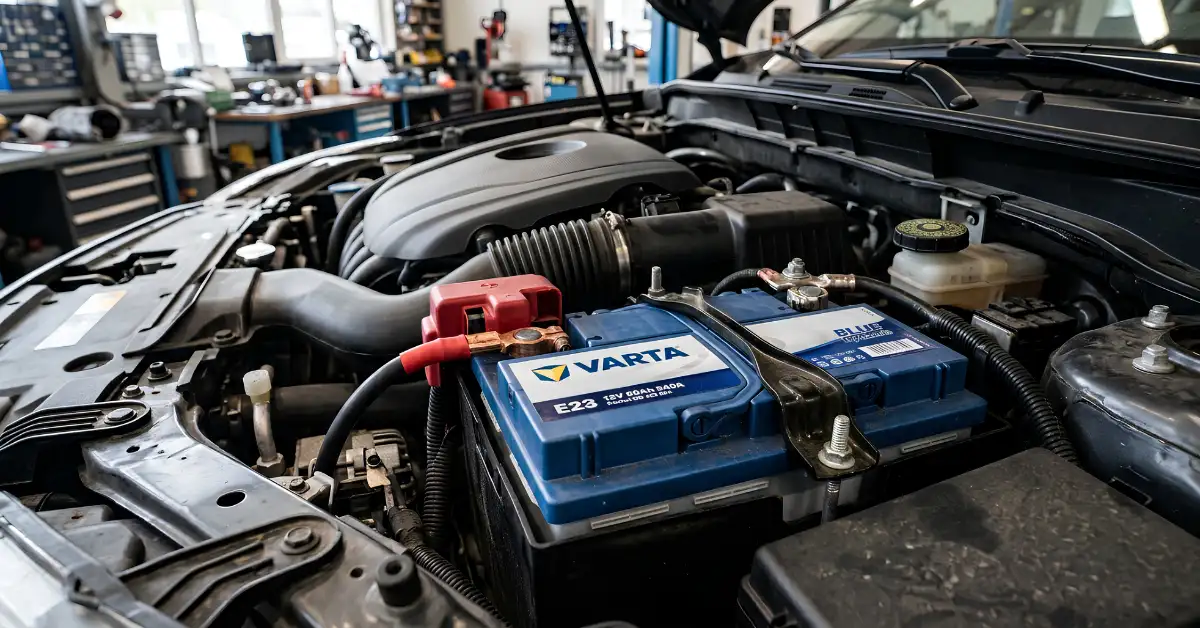
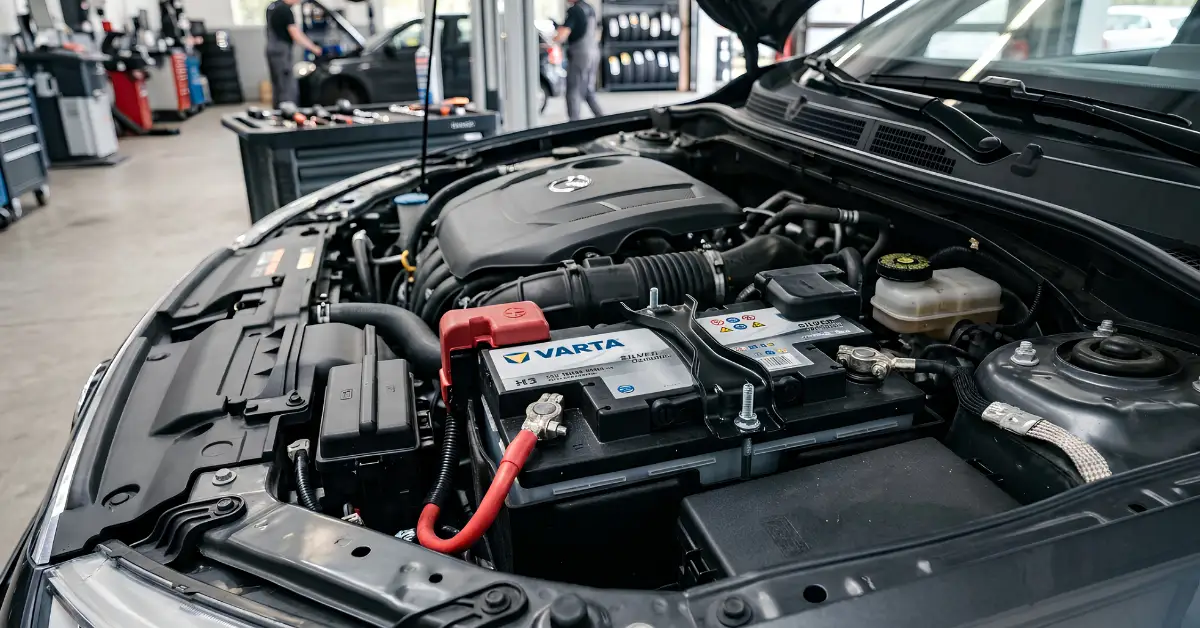
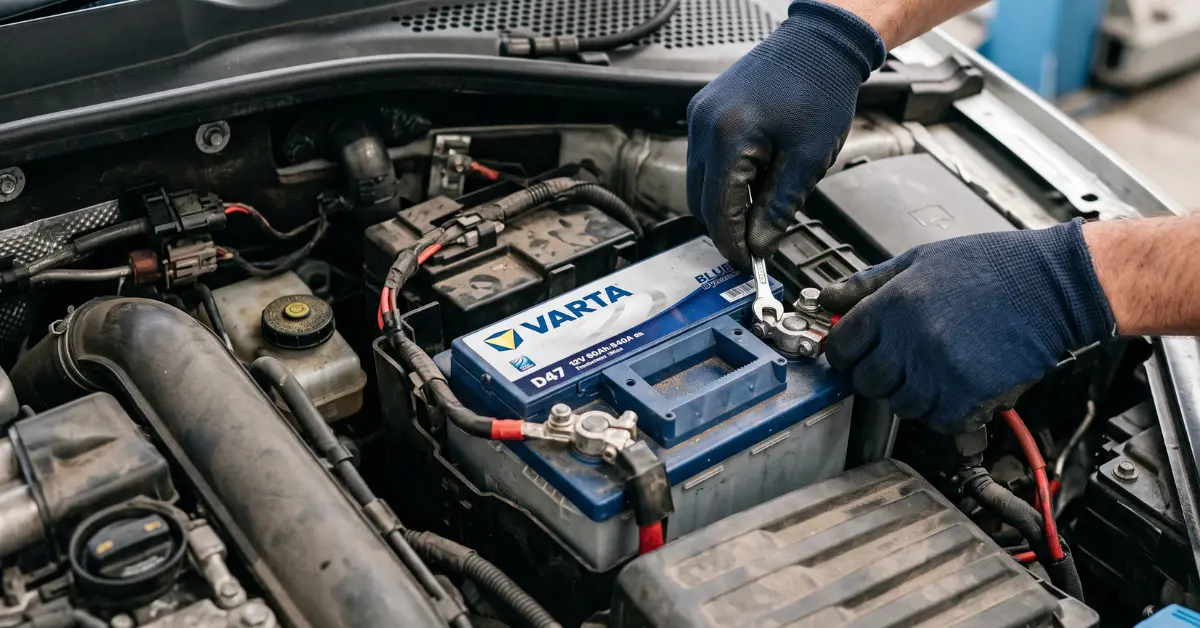
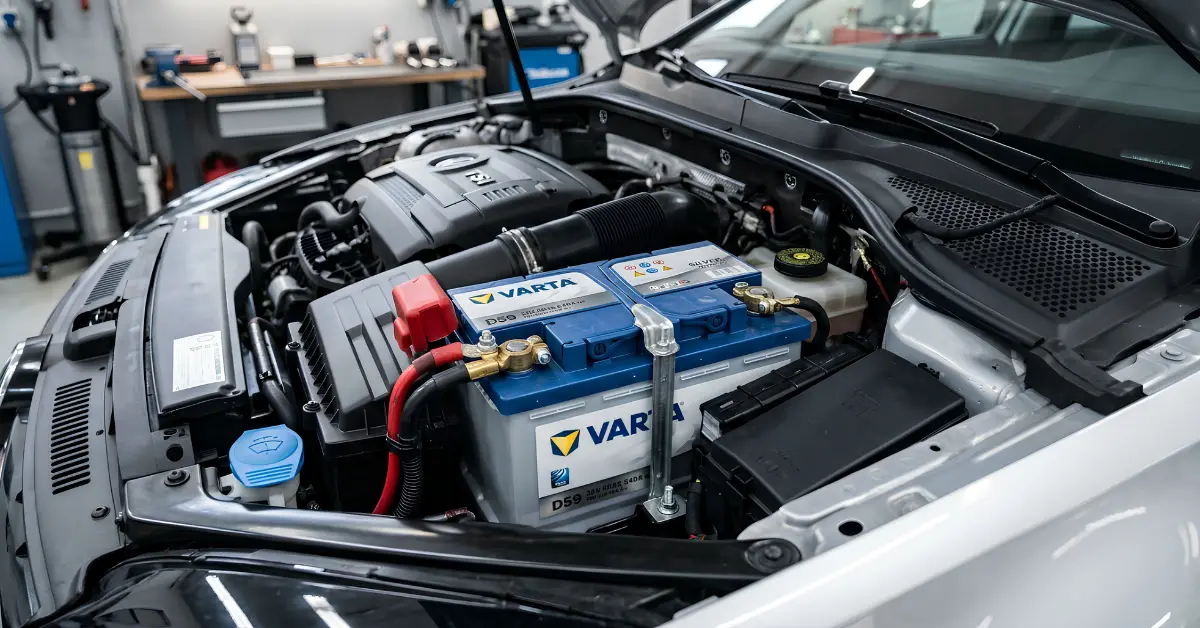
The Varta D59 is a 12V, 60Ah maintenance-free lead-acid battery with a 540A cold-cranking rating. It has a European DIN-style case measuring 242 x 175 x 175 mm and uses a B13 base hold-down.
The battery is mainly designed for standard vehicles without automatic start-stop systems. It can be found in selected Toyota, Honda, Hyundai, Nissan, Ford, Opel, Chevrolet, and Renault models, depending on the exact vehicle specification.
What Is the Varta Blue Dynamic D59?
The Varta Blue Dynamic D59 is a maintenance-free starter battery designed for passenger cars with conventional starting systems. It belongs to Varta's Blue Dynamic range and uses PowerFrame® grid technology to support current flow and reduce grid corrosion.
Its 60Ah capacity provides electrical energy for starting and normal vehicle loads, while the 540A CCA rating supports engine cranking. The sealed construction means regular water top-ups are not normally required.
However, maintenance-free does not mean the battery can ignore charging faults, deep discharge, poor connections, or extreme heat.
Varta D59 Battery Specifications
Understanding the technical specifications helps you check whether this model matches your vehicle. The battery operates at 12 volts and has a 60Ah capacity measured at the standard 20-hour rate.
Its 540A CCA rating indicates the current available for engine starting under the EN test standard. The case measures 242 mm in length, 175 mm in width, and 175 mm in height.
It has a right-hand positive terminal layout and a B13 base hold-down. These details matter because two batteries with the same Ah rating may have different physical designs.
| Specification | Varta D59 Details |
|---|---|
| Battery type | Blue Dynamic SLI |
| Voltage | 12V |
| Capacity | 60Ah |
| CCA | 540A EN |
| Technology | Maintenance-free lead-acid |
| Grid | PowerFrame® |
| Length | 242 mm |
| Width | 175 mm |
| Height | 175 mm |
| Terminal layout | Positive on right |
| Base hold-down | B13 |
| Weight | Approx. 14 kg |
What Do 60Ah and 540A CCA Mean?
The 60Ah and 540A figures describe different parts of battery performance. Ampere-hours, or Ah, indicate the battery's rated electrical capacity under a standard test. Cold-cranking amps, or CCA, show how much current the battery can provide during engine starting.
A higher Ah or CCA figure is not always the correct choice for a vehicle. The battery must match the manufacturer's requirements and the vehicle's electrical system.
Choosing the wrong size can create mounting problems, while incorrect electrical specifications may affect starting performance and battery life.
D59 Dimensions and DIN Case Size
The physical size of a replacement battery is just as important as its electrical rating. The D59 measures 242 mm long, 175 mm wide, and 175 mm high, making it a lower-profile European DIN battery.
Its case follows the LB2 or T5 size format used across many passenger vehicles. The 175 mm height is especially important because some battery trays are designed for a lower battery case.
Before buying, compare the old battery's length, width, height, terminal position, and hold-down system. This helps prevent fitting problems during installation.
Which Cars Can Use This Battery?
The battery can fit many standard passenger vehicles, but compatibility depends on the engine, model year, and original battery specification. Common examples include selected Toyota Corolla, Honda Civic, Hyundai Elantra, and Nissan Tiida models.
Some Ford, Opel, Chevrolet, Renault, and other European vehicles may also use the same DIN60-style case. A model name alone is not enough to confirm compatibility because different versions can use different batteries.
Always compare the original battery code, dimensions, capacity, CCA, terminal layout, and mounting system before ordering a replacement.
Common Vehicle Applications
Selected versions of the following models may use this battery format:
- Toyota: Corolla and other selected passenger cars
- Honda: Civic and similar conventional models
- Hyundai: Elantra and selected variants
- Nissan: Tiida and other compatible vehicles
- Ford and Opel: Selected European-spec passenger cars
- Renault and Chevrolet: Certain models using the DIN60 case
These examples are for guidance only. Exact fitment should be confirmed for the specific vehicle.
Why Terminal Position Matters?
Terminal layout is an important part of battery fitment. The D59 uses a right-hand positive arrangement, so the positive terminal must line up with the vehicle's positive cable. If the orientation is wrong, the cables may not reach correctly or could become stretched.
Incorrect battery polarity can also cause serious electrical damage if the battery is connected improperly. Before installation, look at the position of the positive and negative terminals on the existing battery. Confirm that the replacement has the same layout and that the cables can reach without force.
What Is the B13 Hold-Down?
The B13 designation refers to the battery's base mounting system. A battery must sit securely in its tray so it does not move during driving. Excess movement can place stress on the battery case, terminals, and internal components.
The B13 base is common on many European-style battery applications, but the vehicle tray must still be checked before installation.
Even when the battery dimensions appear correct, a different base design can prevent proper mounting. Always make sure the replacement battery can be locked firmly into the original tray.
How Does It Perform in UAE Heat?
High temperatures can place extra stress on lead-acid batteries. Heat can speed up internal chemical reactions and contribute to grid corrosion and electrolyte loss over time. The PowerFrame® grid used in this model is designed to provide a strong internal structure and better resistance to corrosion.
In UAE driving conditions, a typical battery life may be around two to three years, although this varies with vehicle use and charging conditions. Heavy air-conditioning use, traffic, frequent short trips, and long periods of parking can all affect battery performance.
Is It Maintenance-Free?
The D59 uses sealed maintenance-free lead-acid construction, so drivers normally do not need to add water during regular use. This makes daily battery care easier compared with older serviceable designs.
However, maintenance-free does not mean completely maintenance-free for the vehicle. The battery terminals should remain clean and secure, and the charging system should work within the correct voltage range.
A weak alternator can leave the battery undercharged, while excessive charging can damage it. Regular testing is useful, especially when the battery has been exposed to several years of UAE summer heat.
Can Deep Discharge Damage the Battery?
Yes. The D59 is an SLI battery, meaning it is mainly designed for starting, lighting, and ignition. It is not intended for repeated deep discharge cycles like batteries made for specific deep-cycle applications.
Leaving the air conditioner, lights, infotainment system, or other electrical equipment running while the engine is off can drain the battery. Repeated deep discharge can reduce its ability to hold a charge and shorten its service life.
If the battery becomes completely flat, it should be tested after charging to check whether its starting performance has been affected.
Is the D59 Suitable for Start-Stop Cars?
The standard D59 should not be used as a replacement for a vehicle that requires EFB or Varta AGM technology. Start-stop vehicles restart the engine more often and place greater cycling demands on the battery.
A conventional SLI battery may not provide the required cycle life or charge acceptance. If the vehicle originally has an AGM or EFB battery, the replacement should normally use the same required technology and meet the manufacturer's specifications.
Some Varta battery references may have similar model numbers but different technologies, so check the complete product code rather than relying only on the D59 name.
How to Check Fitment Before Buying?
Checking the old battery before ordering can help you avoid buying the wrong replacement. Check these points before making a purchase:
- Check Voltage: Confirm that the existing battery uses the required 12V system.
- Compare Ah Rating: Check the battery's capacity and make sure the replacement meets the vehicle's required rating.
- Check CCA: Compare the cold-cranking amp rating to ensure suitable engine starting power.
- Measure Battery Size: Record the length, width, and height of the existing battery.
- Check Terminal Position: Confirm that the positive and negative terminals are in the same positions.
- Check Mounting Type: Make sure the battery base and hold-down system match the vehicle tray.
- Check Start-Stop System: Confirm whether the vehicle uses automatic start-stop technology.
- Check Battery Code: Compare the product code on the old battery with the replacement.
- Ask a Specialist: If any specification is different, have a battery technician confirm fitment before installation.
Signs That the D59 May Need Replacement
A weak battery can show several warning signs before it stops working completely. Watch for these changes:
- Slow Engine Cranking: The engine takes longer than usual to start after turning the key or pressing the start button.
- Clicking During Startup: Repeated clicking can occur when the battery cannot provide enough current to the starter.
- Dim Lights: Headlights or dashboard lights may become weaker, especially when the engine is idling.
- Repeated Jump Starts: Needing jump-start assistance more than once can indicate a battery or charging problem.
- Electrical Warnings: Battery or charging warnings on the dashboard should be checked promptly.
- Weak Battery Test: A battery tester may show reduced starting power even when the car still starts normally.
- Older Battery: A battery used for around two to three years in severe UAE heat should be tested regularly.
- Charging System Fault: A weak alternator can create battery symptoms, so the charging system should be tested before replacement.
How to Get Better Battery Life in the UAE?
Good battery care can reduce unnecessary stress and help maintain reliable starting performance:
- Avoid Electrical Loads When Parked: Do not leave lights, air conditioning, or infotainment running while the engine is off.
- Keep Terminals Clean: Remove visible corrosion and make sure the battery connections remain secure.
- Check Battery Mounting: Ensure the battery is firmly secured to reduce vibration while driving.
- Test Before Long Parking: Check the battery condition if the vehicle has been unused for an extended period.
- Check Alternator Output: A technician should test the charging system to make sure the battery receives the correct charge.
- Inspect Electrical Connections: Loose cables or poor ground connections can affect battery performance.
- Test Older Batteries: Regular testing is useful when the battery has been exposed to several UAE summers.
- Check the Starter System: A faulty starter can place extra demand on the battery and cause repeated starting issues.
Choosing the Right Replacement
The correct replacement is based on more than the battery brand. The D59's 12V rating, 60Ah capacity, 540A CCA, 242 x 175 x 175 mm case, right-hand positive layout, and B13 mounting system must all suit the vehicle.
It is mainly intended for conventional passenger cars without automatic start-stop systems. Its PowerFrame® grid and maintenance-free design can provide reliable starting performance when the vehicle's charging system is healthy.
Always compare the old battery with the replacement before purchase, especially when the vehicle has different engine or equipment options.
Final Takeaways
The Varta D59 battery is a 12V, 60Ah maintenance-free starter battery with 540A CCA and a European DIN-style case. Its 242 x 175 x 175 mm dimensions, right-hand positive layout, and B13 base are key fitment points.
It can suit selected Toyota, Honda, Hyundai, Nissan, Ford, Opel, Chevrolet, and Renault vehicles, but exact compatibility depends on the vehicle specification. In the UAE, high heat and heavy electrical use can affect battery life, so regular testing is useful. For a suitable replacement, confirm the battery specifications before purchase.
For a genuine Varta replacement and professional installation, Battery Zone UAE can help you choose the correct battery for your vehicle and provide battery replacement services at your location. This can make the replacement process faster while ensuring the old battery is removed and the new unit is fitted correctly.
Battery trouble in Dubai? We come to you.
On-site testing, replacement and roadside help, 24/7 across the city.