The short answer
Varta is a well-known battery brand trusted by car owners around the world. Its batteries are used in many vehicles, from small city cars to modern luxury models. But have you ever wondered where these batteries are made and what makes them different?
Varta batteries have a long history linked to Germany. However, not every Varta battery is made in Germany. The brand has production sites in different countries to serve markets around the world.
Its manufacturing process follows strict quality rules to ensure reliable performance. Understanding where these batteries come from can help car owners make better choices when buying a replacement.
Where Are Varta Batteries Made?
Varta has strong roots in Germany, where the company began its battery-making journey. Today, Varta-branded automotive batteries are produced through an international manufacturing and supply network. The exact country of manufacture depends on the battery type, product range, and market.
Germany remains an important part of Varta's automotive battery history and production operations. However, some batteries sold under the Varta name may come from factories in other European countries.
This is why checking the country-of-origin label on the battery is important instead of assuming that every Varta product is German-made.
The History of Varta and Its German Manufacturing Roots
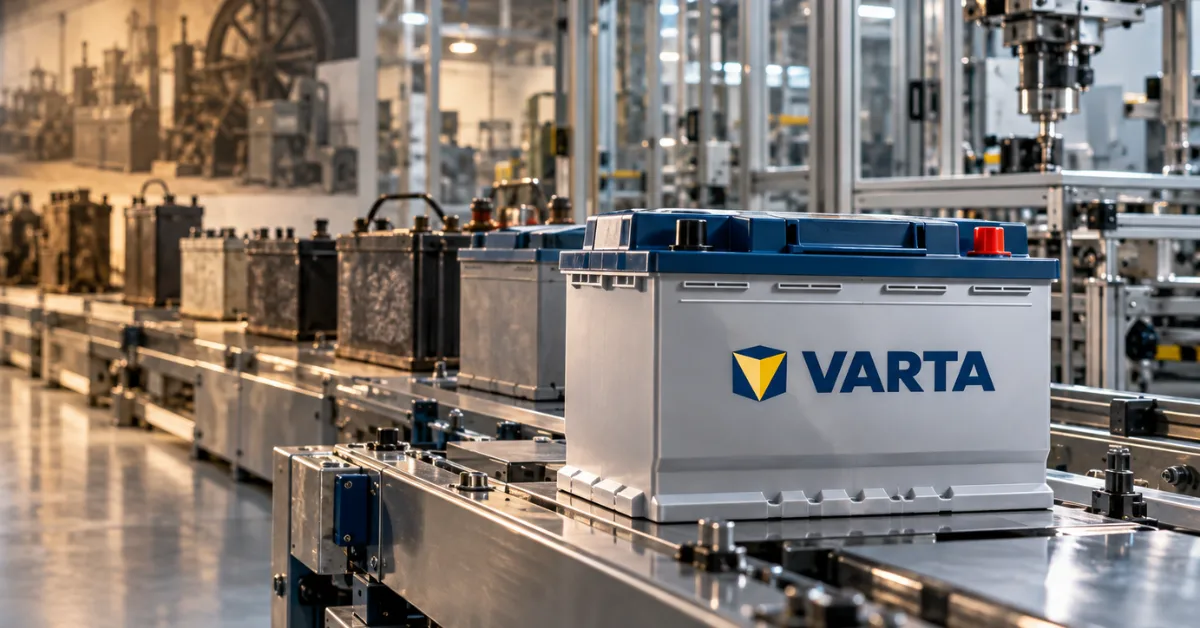
Varta's story began in Germany in 1887, when the company was founded as a battery manufacturer. Over the years, it developed different types of batteries for cars, industrial equipment, and other uses. Its long history helped it build a strong name in battery technology.
The company played an important role in the growth of automotive batteries in Europe. As cars became more advanced, battery makers had to improve their products to support electric starters, lighting, and new electronic systems.
Varta developed its products to meet these changing needs, helping establish its position in the automotive battery market.
How Varta's Global Manufacturing Network Works
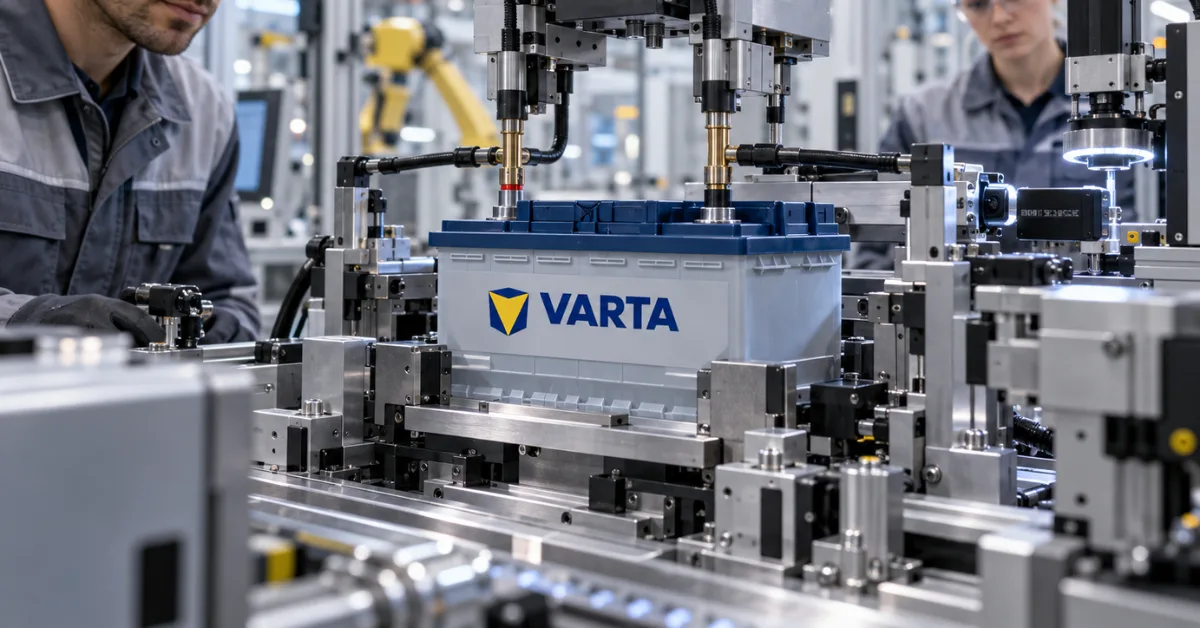
Modern battery production requires large factories, advanced machines, skilled workers, and reliable supply chains. Varta-branded car batteries are part of a wider European manufacturing network. This allows the brand to supply different markets while meeting the needs of various vehicle types.
Production locations may differ based on the battery range and regional demand. Some batteries are made for standard vehicles, while others are designed for cars with start-stop systems and higher power needs.
The manufacturing location does not automatically determine battery quality. Design, materials, production controls, and testing all play a role in the final product.
What Makes German Battery Engineering Special?
German engineering is often linked to careful design, technical development, and strict production controls. Varta's German roots are an important part of its brand identity, especially in the automotive market. Its battery designs focus on reliable starting power, energy supply, and long-term use.
Car batteries must work under different conditions, including high temperatures, cold starts, and repeated charging cycles. Engineers consider these factors when selecting materials and designing battery components.
Features such as plate design, electrolyte balance, and internal resistance can affect how a battery performs. These technical details matter more than the country name printed on the label alone.
Varta Battery Quality Standards and Testing
Battery quality depends on how well a product is built and how it performs under different conditions. Varta automotive batteries are designed to meet relevant European and international battery standards, depending on the product and market. Quality checks can cover starting power, charging performance, vibration resistance, and durability.
Manufacturers also need to check the battery's ability to deliver power over repeated use. Cold cranking amps (CCA), capacity, and reserve capacity are important performance measures.
These tests help show whether a battery can start an engine and supply power when the alternator is not charging. Consistent production checks help reduce faults and support dependable performance.
Different Types of Varta Car Batteries
Varta offers different battery ranges to suit various vehicle designs and electrical needs. Choosing the correct type is important because modern cars can have very different power demands.
- Varta Silver Dynamic: Designed for vehicles with high energy needs and strong starting power requirements.
- Varta Blue Dynamic: A common choice for many standard vehicles with regular electrical demands.
- Varta Black Dynamic: Designed for older vehicles and cars with basic electrical systems.
- Varta Silver Dynamic AGM: Uses Absorbent Glass Mat technology for vehicles with advanced start-stop systems and higher energy demands.
- Varta Blue Dynamic EFB: Uses Enhanced Flooded Battery technology for certain start-stop vehicles that do not require AGM batteries.
Always check the vehicle manual or battery specifications before choosing a replacement.
How AGM and EFB Technology Improve Battery Performance
Modern vehicles use more electrical power than older cars. Features such as automatic start-stop, navigation systems, heated seats, and advanced safety equipment place extra demands on the battery. AGM and EFB technologies help meet these needs.
AGM batteries hold their electrolyte in a special glass fibre mat. This design supports better charge acceptance and greater resistance to repeated charge and discharge cycles. EFB batteries have improved internal plate designs compared with standard flooded batteries.
They are built to handle more frequent engine starts. However, AGM and EFB batteries are not always interchangeable. The replacement must match the vehicle manufacturer's requirements.
Does the Country of Manufacture Affect Battery Quality?
The country where a battery is made can tell you something about its production origin, but it does not automatically tell you how good the battery is. A battery made in Germany is not always better than one made in another country.
What matters is whether the factory follows the required production standards and quality checks. Varta batteries made at different locations are developed for specific performance needs.
Their specifications, construction, and intended use matter more than the country printed on the label. When buying a Varta battery, check its model, manufacturing date, warranty, and technical details. These factors give a clearer picture of its suitability and expected performance.
How to Check Where Your Varta Battery Was Made
If you want to know the origin of your Varta battery, start by checking its label and packaging. The country of origin may be printed directly on the battery or included in the product information. You can also check the model number and product details through an authorised seller.
Here are a few things to check:
- Country-of-origin label: Look for a clear statement showing where the battery was manufactured.
- Product code: Use the model or product number to identify the battery range and specifications.
- Manufacturing date: Check the date or production code to understand how old the battery is.
- Seller information: Ask the retailer or supplier for details if the label does not clearly show the origin.
Do not confuse the brand's registered country or headquarters with the actual manufacturing location.
Why Varta Batteries Are Suitable for Modern Cars
Modern cars need a steady power supply for engine starting and electronic systems. Varta batteries are designed for different vehicle types, including cars with standard electrical systems and those with advanced start-stop technology.
Their range of battery options allows drivers to select a product based on the vehicle's power needs. Important specifications include voltage, amp-hour (Ah) capacity, CCA, battery size, and terminal layout.
Choosing the correct specifications helps prevent starting issues and charging problems. A suitable battery also supports the vehicle's electrical equipment and helps reduce unnecessary stress on the charging system.
How UAE Weather Affects Varta Battery Performance
The UAE's hot climate can put extra stress on car batteries. High temperatures speed up chemical reactions inside the battery and can increase water loss in certain battery types. Long exposure to heat may also damage internal components and shorten battery life.
Even a well-made battery can wear out faster under extreme weather conditions. Parking in direct sunlight for long periods and making frequent short trips can add to the problem.
Battery checks help identify early signs of wear. Drivers should also inspect the battery terminals for corrosion and ensure the charging system is working correctly.
How Long Does a Varta Car Battery Last?
A Varta car battery's lifespan depends on its type, driving habits, vehicle condition, and climate. In moderate weather, a car battery may last around three to five years.
In hot regions such as the UAE, battery life is often shorter, with many batteries lasting around one and a half to three years. You may need a replacement sooner if the battery is exposed to repeated deep discharges or charging problems.
Watch for slow engine starting, dim headlights, dashboard warnings, and electrical issues. A battery health test can measure its voltage and starting ability. Checking its condition regularly can help prevent unexpected breakdowns.
What to Check Before Buying a Varta Battery
Buying a replacement battery involves more than choosing a familiar brand. The new battery must match the vehicle's electrical requirements and fit properly in the battery compartment.
Keep these important points in mind:
- Battery capacity: Check the required Ah rating to ensure the battery can meet the vehicle's power needs.
- Cold cranking amps: Compare the CCA rating to make sure the battery provides enough starting power.
- Battery technology: Confirm whether the vehicle requires a standard, EFB, or AGM battery.
- Manufacturing date: Choose a reasonably fresh battery that has been stored correctly.
- Warranty: Review the warranty period and its terms before buying.
- Physical size: Check the dimensions, terminal position, and battery hold-down arrangement.
These checks help ensure the replacement battery works correctly and provides reliable service.
Conclusion: Varta's German Roots and Global Battery Production
Varta has a long history of battery manufacturing that began in Germany in 1887. Today, Varta-branded automotive batteries are supplied through a wider production network, so the country of manufacture can vary by product. German engineering remains an important part of the brand's history, while battery quality also depends on design, materials, testing, and production standards.
For car owners, the most important step is choosing a battery that matches the vehicle's requirements. Checking its origin, model, manufacturing date, and warranty can also help make a better buying decision.
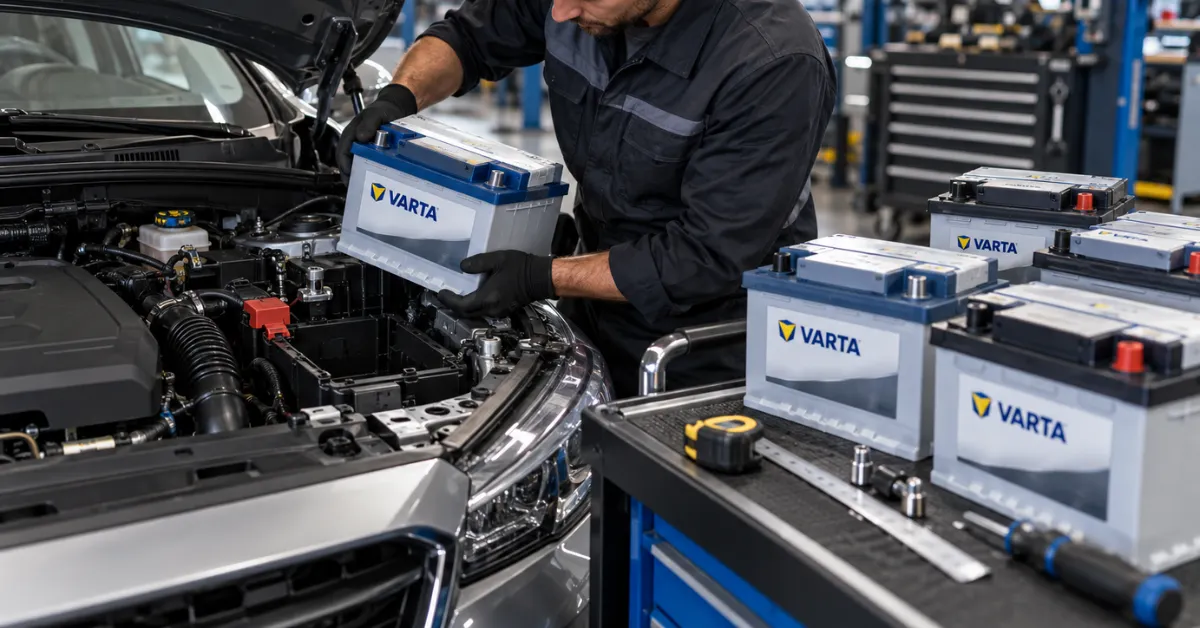
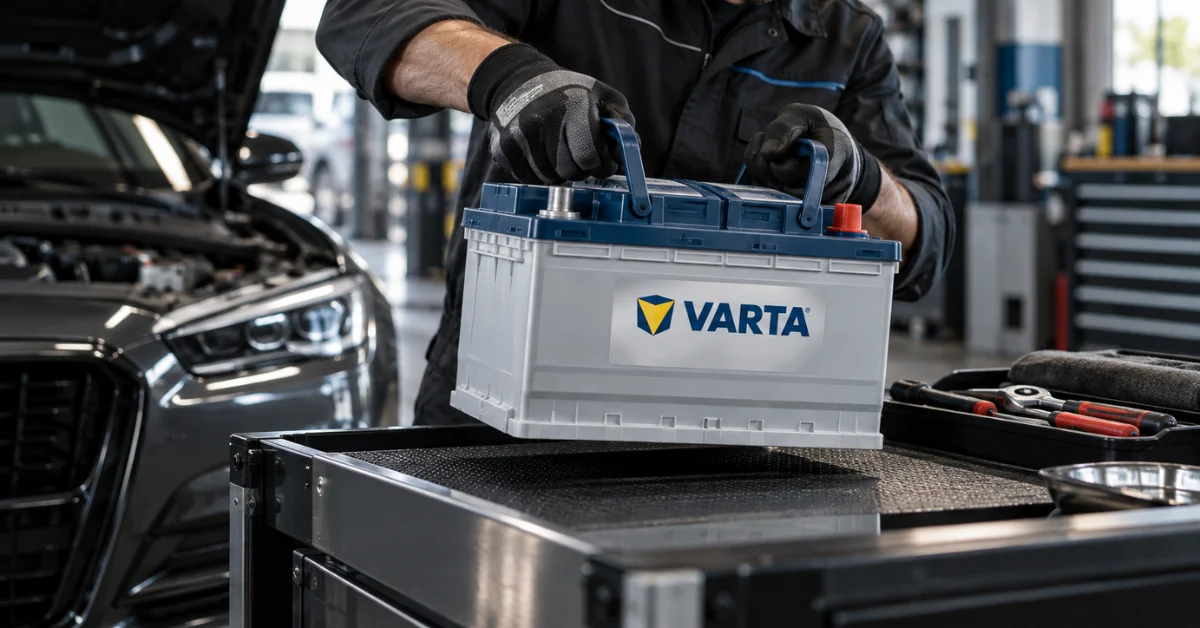
If you need a genuine Varta battery or professional battery replacement in the UAE, Battery Zone UAE can help you find a suitable option. Its team can assist with battery selection, installation, and battery-related services to keep your vehicle ready for the road.
Battery trouble in Dubai? We come to you.
On-site testing, replacement and roadside help, 24/7 across the city.