How to Safely Disconnect a Negative Battery Terminal
Car batteries are powerful, but mishandling them can be dangerous. If you need to replace or service your battery, knowing how to safely disconnect the negative battery terminal is essential. This guide from Battery Zone UAE will walk you through the steps, precautions, and related services to keep your car safe and functional.
Why Disconnecting the Negative Terminal First Matters
The negative terminal is connected to the car’s chassis (ground). Disconnecting it first reduces the risk of short circuits if your wrench touches metal while loosening the positive terminal.
- Prevents sparks: Protects you and the car’s electronics.
- Protects sensitive components: Modern cars have complex electrical systems.
- Reduces accident risk: Avoids battery acid contact or fire hazards.
Note: Never attempt to disconnect a battery while the car is running.
Tools You Will Need
Before you start, gather the following tools:
- Safety gloves and glasses
- Wrench or socket set (usually 10mm for most cars)
- Battery terminal puller (optional, for stuck terminals)
- Clean rag or cloth
Having the right tools ensures a smooth and safe process.
Step-by-Step Guide to Disconnect a Negative Battery Terminal
Follow these steps carefully to disconnect the negative terminal safely:
- Turn off the engine: Make sure all electronics, lights, and ignition are off.
- Locate the battery: Usually under the hood, sometimes in the trunk for some cars.
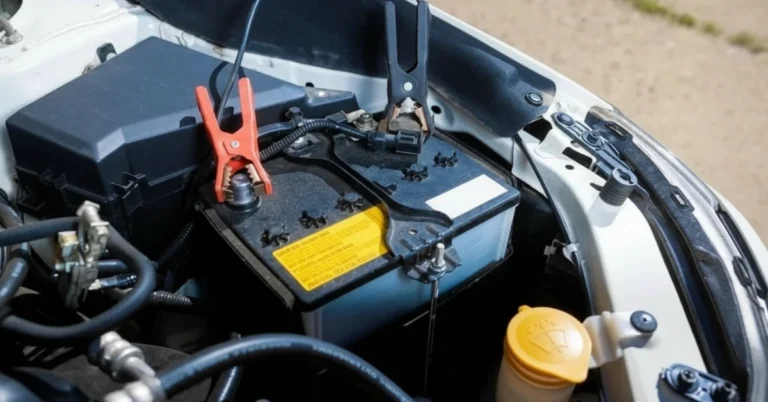
- Identify the negative terminal: Look for the “-” sign or black cable.
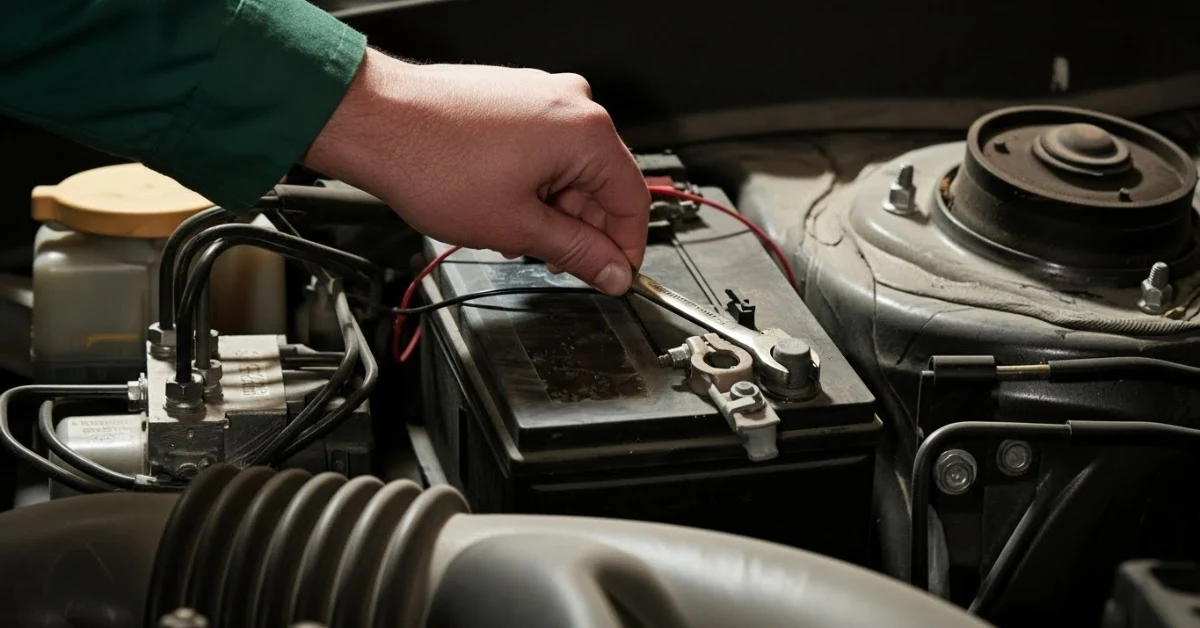
- Loosen the nut: Use your wrench to loosen the clamp without removing it entirely yet.
- Remove the negative cable: Carefully lift the cable from the terminal and tuck it away to avoid accidental contact.
- Check for corrosion: Clean any corrosion with a baking soda and water solution if necessary.
- Proceed to the positive terminal: Only after the negative is safely disconnected.
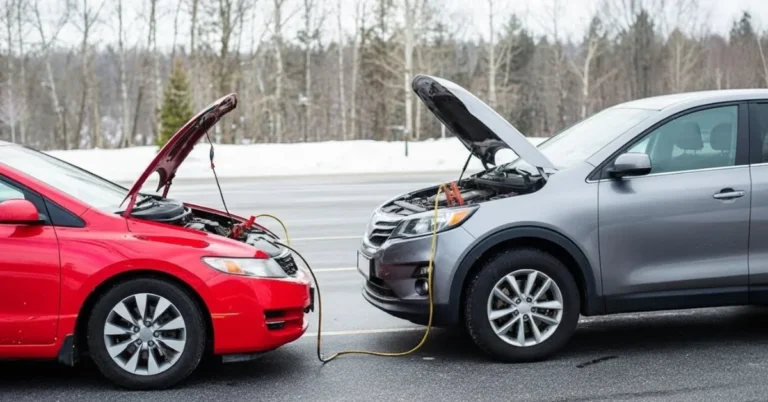
Tip: If your battery is dead and the car won’t start, consider a Car JumpStart Service to power the system before maintenance safely.
Safety Precautions to Keep in Mind
Working with batteries can be hazardous if precautions are ignored. Keep these in mind:
- Wear safety gloves and goggles to prevent acid burns.
- Avoid metal jewelry to prevent accidental short circuits.
- Keep flames and sparks away from the battery.
- Always disconnect the negative terminal first and reconnect it last.
Taking these precautions will protect both you and your vehicle.
Common Problems When Disconnecting a Battery
Even with care, issues can arise. Here’s what to watch for:
- Stuck terminals: Can be removed using a battery terminal puller or gentle tapping.
- Corrosion: White or green buildup can prevent good contact. Clean it carefully.
- Dead battery: If your car won’t start afterward, you may need Car Towing or Roadside Assistance.
Addressing these problems promptly ensures smooth battery maintenance.
When to Disconnect Your Car Battery
There are several scenarios where disconnecting the battery is necessary:
- Battery replacement: Installing a new battery safely.
- Electrical repairs: When working on alternators, dynamo, or car electronics.
- Storage: If your car will remain unused for months, disconnecting prevents battery drain.
During these times, keeping your battery safe and following proper disconnection steps prevents damage to expensive electronics.
Tips for Maintaining Battery Health
A battery lasts longer if maintained properly. Here are some tips:
- Regular checks: Inspect terminals for corrosion or loose clamps.
- Clean terminals: Remove dirt and corrosion with a proper solution.
- Avoid short trips: Regular long drives keep the battery charged.
- Use a quality charger: For vehicles not in use, a trickle charger can maintain battery health.
Maintaining your battery reduces the frequency of disconnections and replacements.
Signs Your Battery Needs Replacement
Even with proper care, batteries eventually wear out. Look for these signs:
- Slow engine start or dim lights
- Dashboard warning lights
- Corrosion around terminals
- Frequent jump-start needs
If these appear, Battery Zone UAE can provide safe replacement or Car JumpStart Service in Dubai.
Conclusion
Disconnecting the negative battery terminal is a simple but essential step for vehicle safety. Following the right procedure protects both you and your car’s electronics. Whether you’re replacing the battery, performing electrical repairs, or storing your car, proper disconnection and maintenance are crucial.
If you encounter a dead battery or need roadside support, Battery Zone UAE offers professional roadside assistance, car towing, and car recovery Dubai services to keep you moving safely. Always prioritize safety and use the correct tools to handle your car battery confidently.