How to Clean Car Battery Corrosion Safely at Home
Finding a crusty, white, or bluish-green powder on your battery terminals is a common issue for UAE drivers. This buildup, known as corrosion, blocks electricity and often prevents your car from starting. Fortunately, you don’t always need a mechanic; learning this DIY skill keeps your vehicle reliable in the heat.
Most corrosion can be handled in your driveway using simple household items like baking soda. However, if your battery shows physical damage or fails to hold a charge after cleaning, it may be time for a professional car battery replacement in Dubai to ensure your car remains dependable.
Why Does Battery Corrosion Happen?
Before we grab the tools, let’s understand the “why.” Most car batteries contain sulfuric acid. As the battery goes through heating and cooling cycles, it releases hydrogen gas. When this gas reacts with the metal terminals and the humidity in the air, it creates that flaky residue.
If left alone, this buildup acts as an insulator. It blocks the flow of electricity from the battery to the rest of the car. If your car struggles to crank or your lights seem dim, corrosion might be the culprit. If the battery is too far gone, you might eventually need a professional car battery replacement to get back on the road.
Safety First: What You Need to Know
Working with car batteries involves electricity and acid. Safety isn’t just a suggestion; it’s a requirement.
- Work in a Ventilated Area: Do this outdoors or in an open garage to avoid breathing in fumes.
- Protect Your Eyes and Hands: Wear safety goggles and thick rubber gloves. Battery acid can cause painful skin burns.
- Engine Off: Ensure the ignition is off and the keys are out of the pocket.
- Metal Alert: Never let a metal tool touch both the positive and negative terminals at the same time. This creates a spark or, worse, a short circuit.
Gathering Your DIY Cleaning Kit
You likely have most of these items in your kitchen or garage. You don’t need fancy chemicals to get a professional result.
The Household Method:
- Baking soda (the star of the show)
- Clean water
- An old toothbrush or a wire brush
- Microfiber cloths or paper towels
- Petroleum jelly (Vaseline)
- Wrenches (usually 10mm)
The Quick Method:
- Canned soda (Coke or Pepsi contains phosphoric acid, which eats through corrosion)
- A brush
- Water for rinsing
Step-by-Step Guide: The Baking Soda Method
This is the most effective way to neutralize the acid and clean the terminals thoroughly.
1. Disconnect the Battery Terminals
This is the most important part. Always disconnect the Negative (-) cable first. It is usually black or marked with a minus sign. Loosen the nut with your wrench and wiggle the cable off. Then, do the same for the Positive (+) cable, which is usually red.
Pro Tip: Moving the negative cable first prevents accidental sparks if your wrench touches the car’s metal frame.
2. Inspect for Damage
Once the cables are off, look at the battery casing. If you see cracks or a bloated shape, cleaning won’t help. A leaking battery is dangerous and needs immediate attention. If you’re stuck in the driveway with a dead, leaking unit, calling for roadside assistance is the safest way to handle a replacement.
3. Apply the Cleaning Solution
Mix one tablespoon of baking soda into one cup of very hot water. Stir it until it dissolves. Pour this mixture directly onto the corroded terminals. You will see it bubble and fizz; that is the baking soda neutralizing the acidic corrosion.
4. Scrub Away the Grime
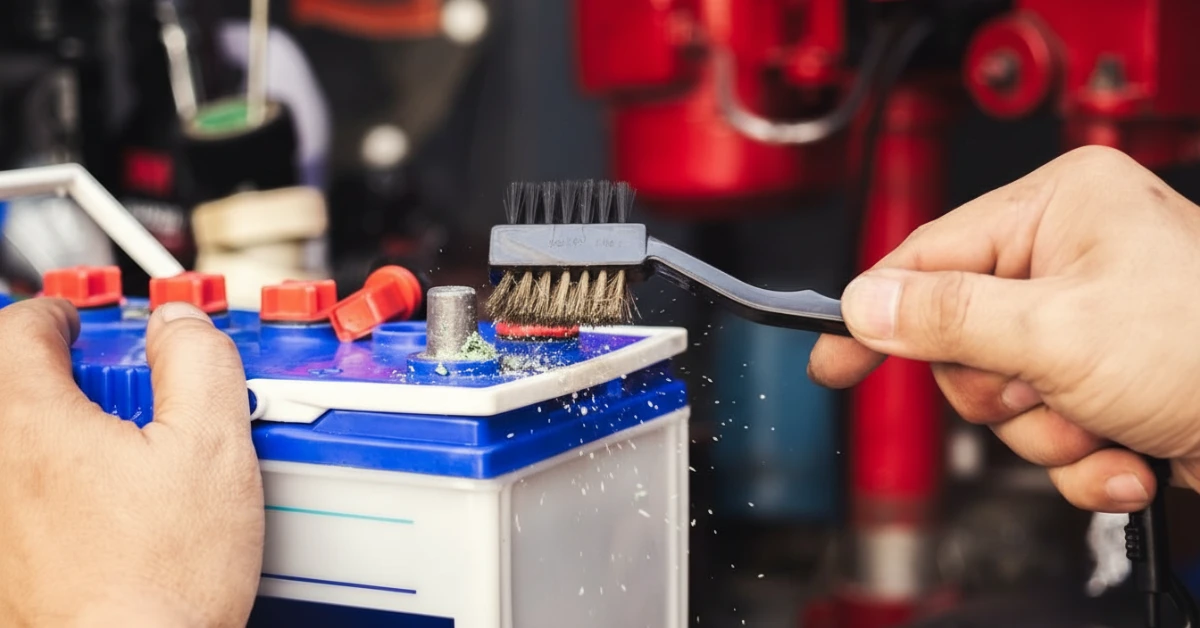
Use your toothbrush or wire brush to scrub the terminals and the cable connectors. Make sure to get inside the circular part of the connector where it grips the terminal. If the buildup is thick, you may need to apply more solution and scrub a second time.
5. Rinse and Dry
Pour a little plain water over the terminals to rinse away the baking soda residue. Use your microfiber cloth to dry everything completely. Moisture left behind can lead to more corrosion down the line.
6. Prevent Future Buildup
Before reconnecting the cables, smear a thin layer of petroleum jelly (Vaseline) or specialized battery terminal grease onto the metal posts. This creates a barrier against moisture and gases, slowing down future corrosion.
7. Reconnect the Cables
Now, reverse the order. Connect the Positive (+) cable first, then the Negative (-) cable. Tighten the nuts until the cables don’t move when you give them a firm tug.
When Cleaning Isn't Enough?
Sometimes, you clean the terminals perfectly, but the car still won’t start. If you hear a “clicking” sound when you turn the key, your battery might be internally discharged. In many cases, a simple car jumpstart can revive it, but if the battery is older than three years, it might be time for a change.
Maintenance Tips for UAE Drivers
The heat in the UAE is tough on car batteries. High temperatures speed up the chemical reactions inside the battery, leading to faster fluid loss and more frequent corrosion.
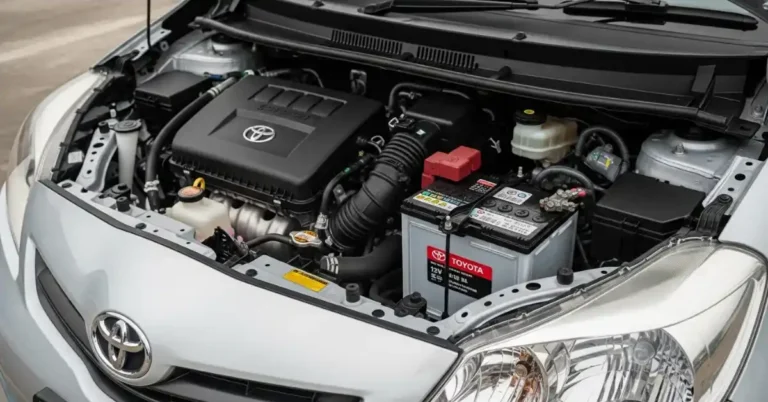
- Check monthly: Open your hood once a month to spot corrosion early.
- Keep it tight: A vibrating battery can get damaged internally. Ensure the hold-down bracket is snug.
- Drive regularly: Short trips don’t give the alternator enough time to charge the battery. Try to take at least one 20-minute drive a week.
Summary Checklist
Step | Action | Why? |
Safety | Wear gloves & goggles | Protect against acid burns. |
Disconnect | Negative (-) first | Prevents electrical shorts. |
Neutralize | Baking soda + Water | Chemically stops the acid. |
Scrub | Use a wire brush | Removes stubborn oxidation. |
Protect | Apply Vaseline | Blocks moisture and air. |
Reconnect | Positive (+) first | Completes the circuit safely. |
Final Thoughts
Cleaning your battery is a satisfying Saturday morning task that takes less than 20 minutes. It extends the life of your vehicle and saves you from the frustration of a car that won’t start when you’re already late for work.
However, if you find yourself dealing with frequent “no-start” issues or if your battery looks physically damaged, don’t risk it. Taking care of your car’s electrical heart ensures that whether you’re cruising through the city or heading out for a desert weekend, your vehicle remains reliable.